-
Coracias garrulus
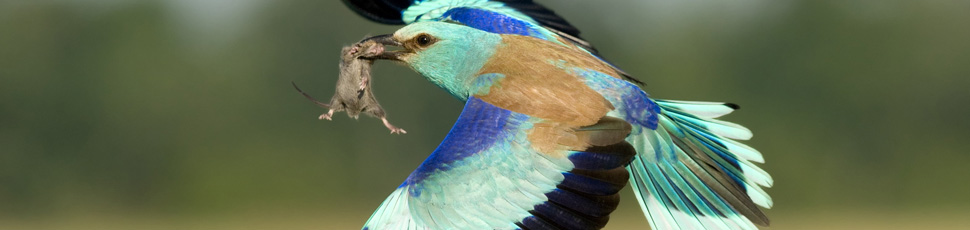
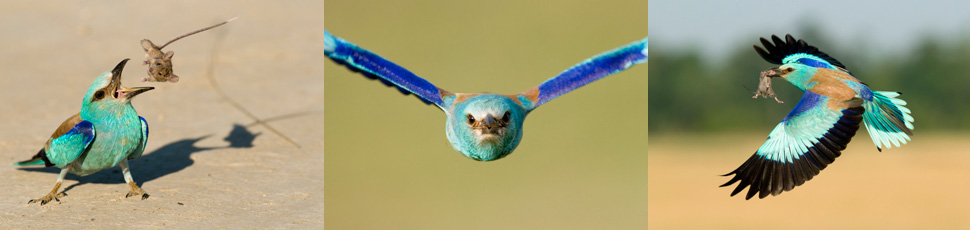
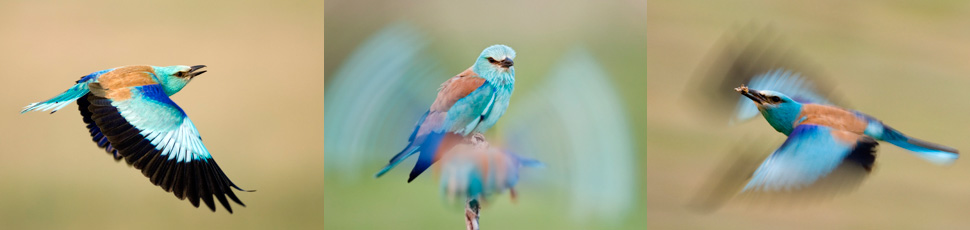
Flying Roller ::: Photo: Bence Máté -
Falco vespertinus
Saving a fallen nestling ::: Photo: Péter Palatitz -
Coracias garrulus
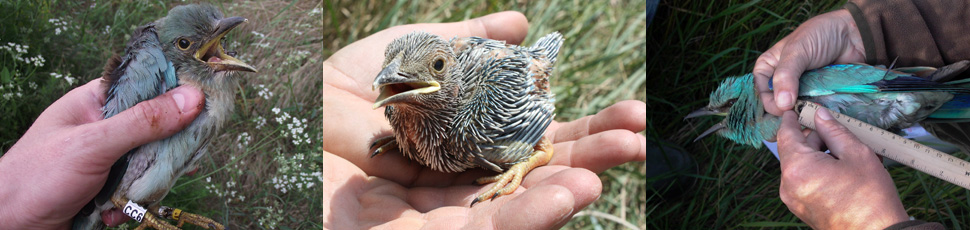
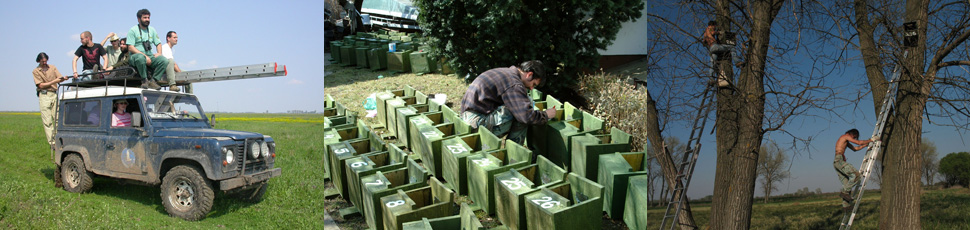
Roller / Fieldwork / Ringing ::: Photo: András Domján, Béla Tokody, Orsolya Kiss -
Falco vespertinus
Adult male Red-footed falcon with a field vole ::: Photo: Péter Palatitz -
Coracias garrulus
Flying Roller ::: Photo: Bence Máté -
Falco vespertinus
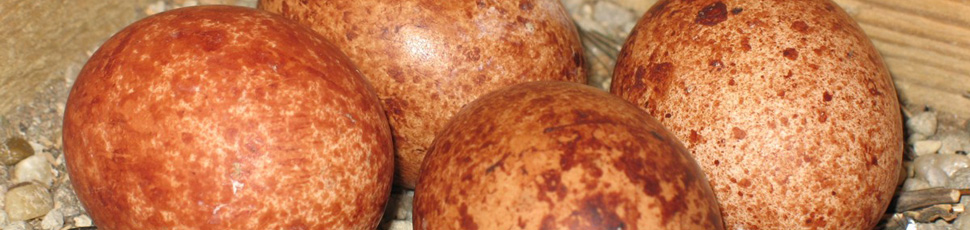
Red-footed falcon eggs in a nest-box ::: Photo: Péter Palatitz -
Coracias garrulus
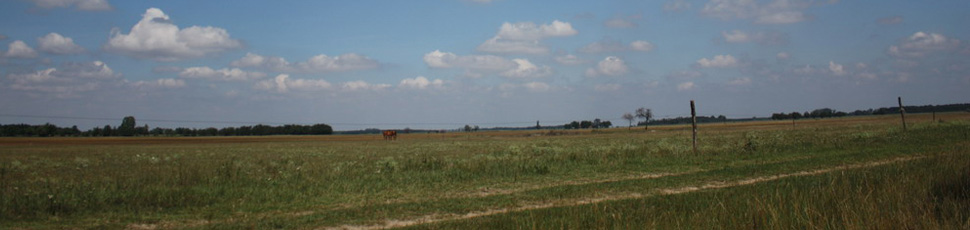
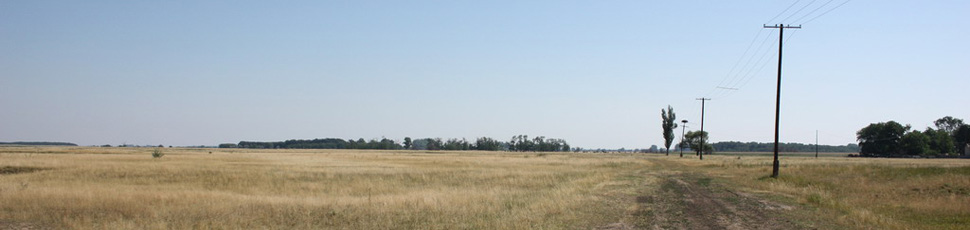
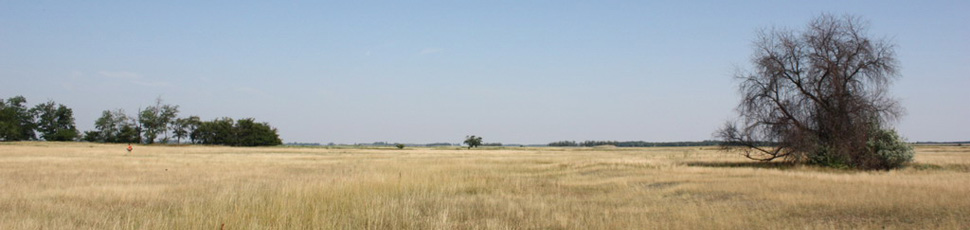
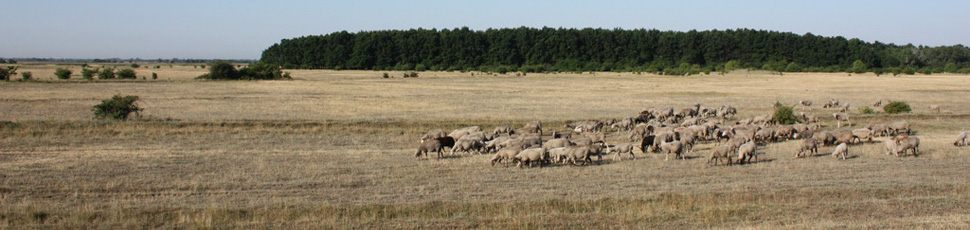
Roller / Nesting habitat / Baksi-puszta ::: Photo: Béla Tokody -
Falco vespertinus
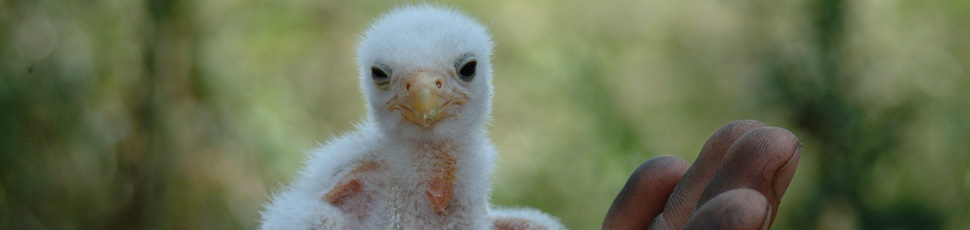
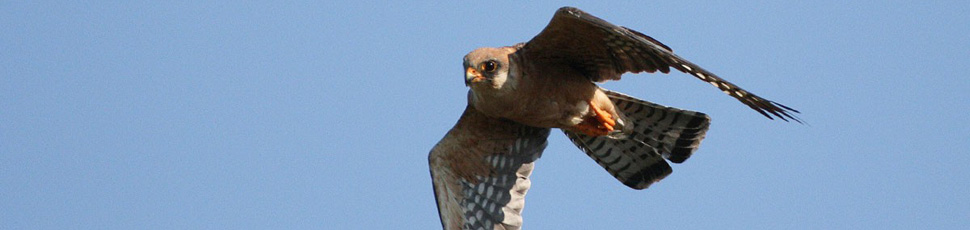
Adult female Red-footed falcon ::: Photo: Péter Palatitz -
Coracias garrulus
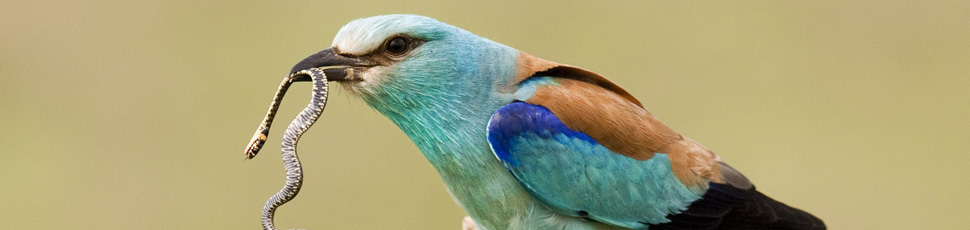
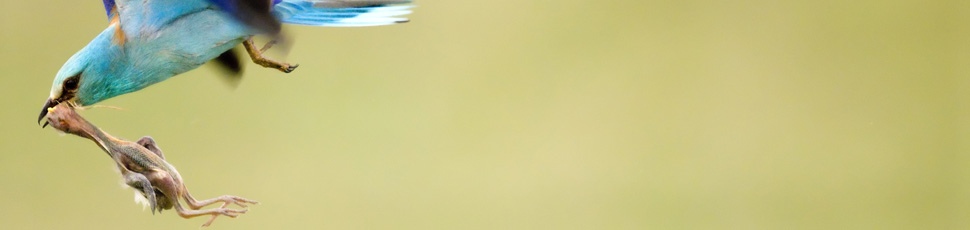
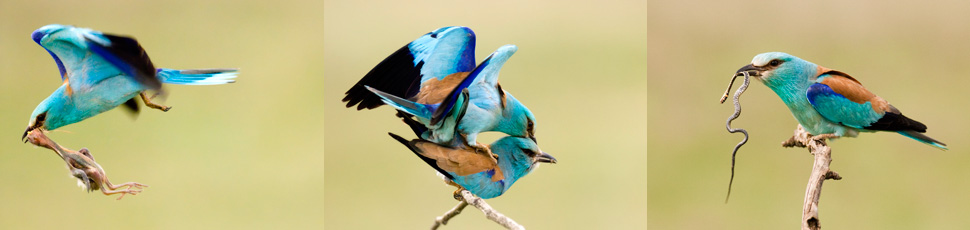
Roller with a grass snake ::: Photo: Bence Máté -
Coracias garrulus
Roller ::: Photo: Bence Máté -
Falco vespertinus
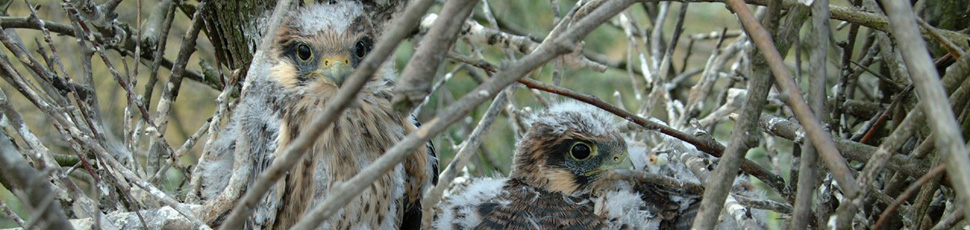
Red-footed falcon brood in a magpie nest ::: Photo: Szabolcs Solt -
Coracias garrulus
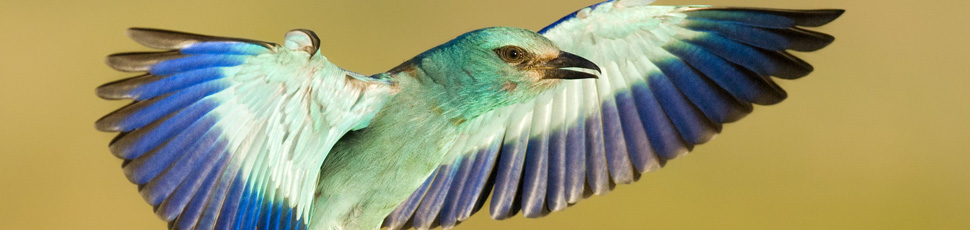
Flying Roller ::: Photo: Bence Máté -
Coracias garrulus
Roller / Nesting habitat / Szeri-puszták ::: Photo: Béla Tokody -
Coracias garrulus
Flying Roller ::: Photo: Bence Máté -
Coracias garrulus
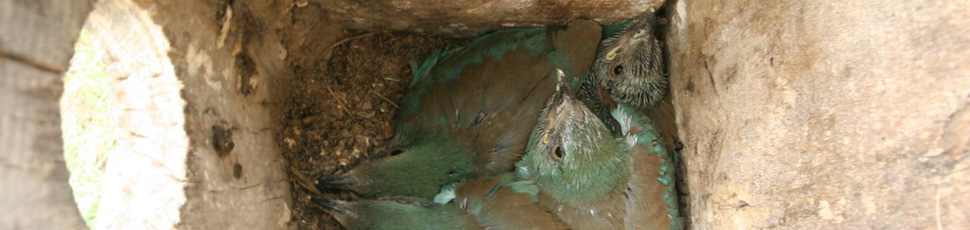
Young Rollers in the nest box ::: Photo: Gyula Molnár -
Coracias garrulus
Flying Roller ::: Photo: Bence Máté -
Coracias garrulus
Rollers ::: Photo: Bence Máté -
Coracias garrulus
Roller / Nesting habitat / Szeri-puszták ::: Photo: Béla Tokody -
Coracias garrulus
Mating Rollers ::: Photo: Bence Máté -
Coracias garrulus
Rollers ::: Photo: Bence Máté -
Falco vespertinus
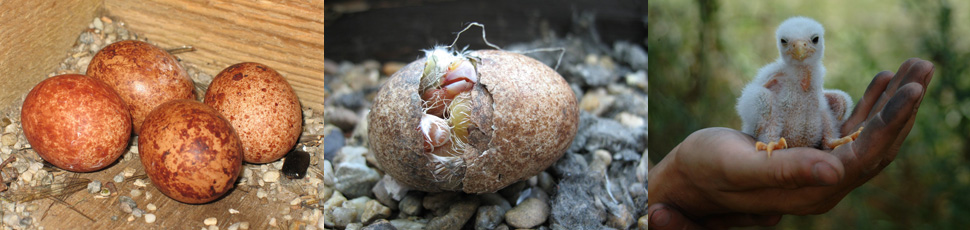
Red-footed falcon eggs and nestlings ::: Photo: Péter Palatitz -
Coracias garrulus
Flying Rollers ::: Photo: Bence Máté -
Falco vespertinus
Red-footed falcon / Fieldwork ::: Photo: Péter Palatitz, Szabolcs Pálfi -
Coracias garrulus
Roller / Nesting habitat / Szeri-puszták ::: Photo: Béla Tokody -
Coracias garrulus
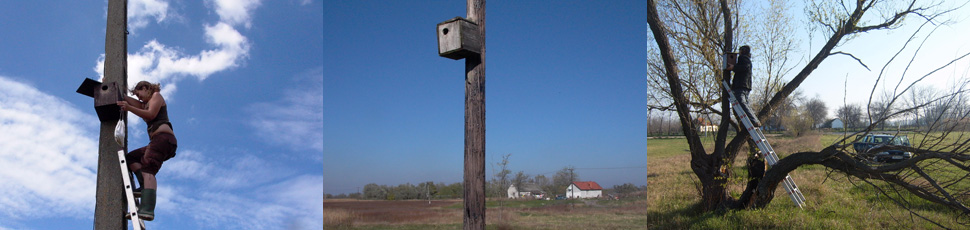
Roller / Fieldwork / Nest box monitoring ::: Photo: Orsolya Kiss, Béla Tokody, András Domján
Red-footed Falcon › Threatening factors ›
Trends and threatening factors
A significant decline in population numbers is experienced from the last decades of the 20th century.
The possible reasons of the decline are:
- Loss of nesting sites (the drastic decline in the rook population, the loss of steppe wood patches due to illegal lodging)
- Loss of breeding habitat (intensifying agriculture, the decline of authentic land management practices /e.g. grazing/)
- Electrocution, road-kills
- Predators at breeding colonies
-
Mortality during migration, negative impacts on the wintering grounds.
GOOD NEIGHBOURS CREATING COMMON FUTURE
The information presented on this website does not necessarily represent the official position of the European Commission.