-
Coracias garrulus
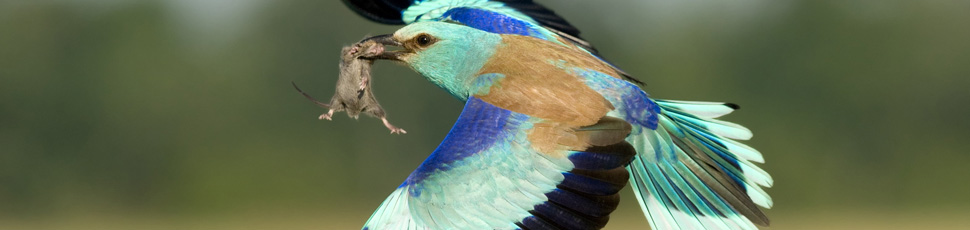
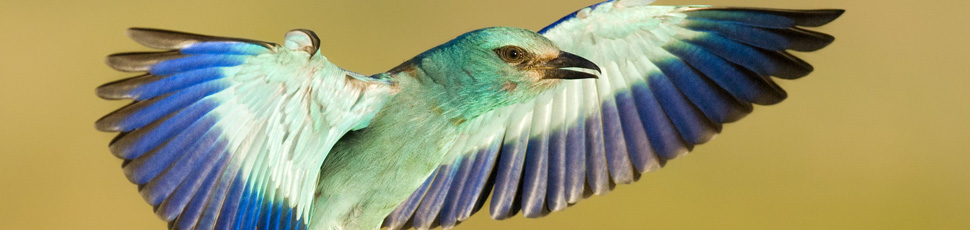
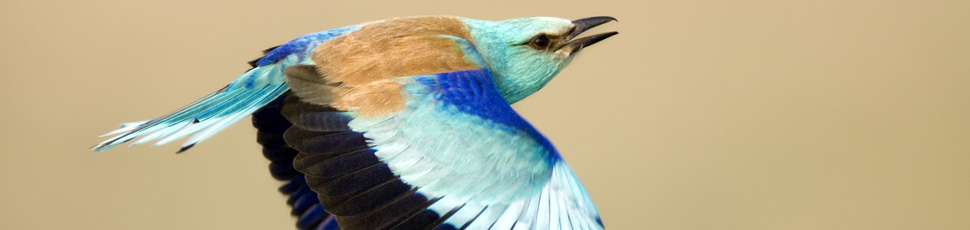
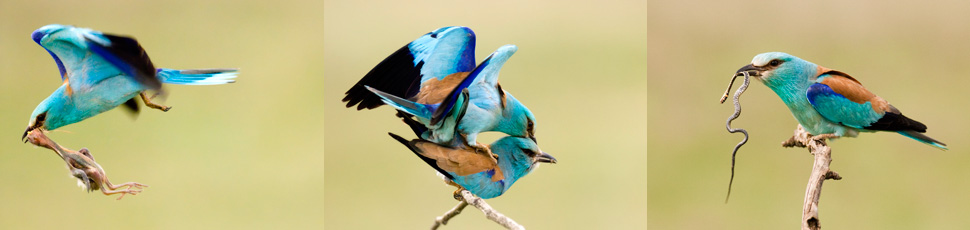
Flying Roller ::: Photo: Bence Máté -
Falco vespertinus
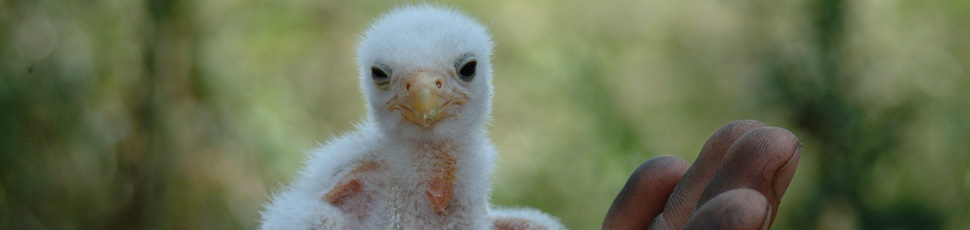
Saving a fallen nestling ::: Photo: Péter Palatitz -
Coracias garrulus
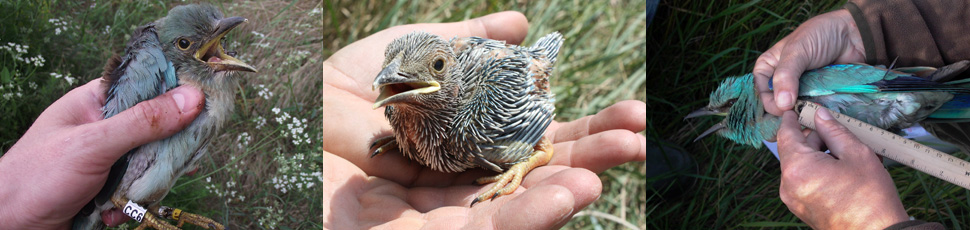
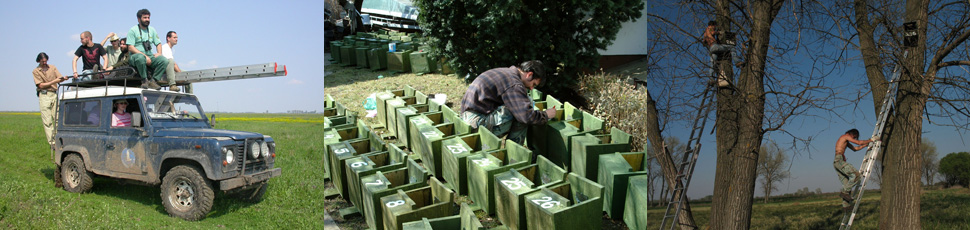
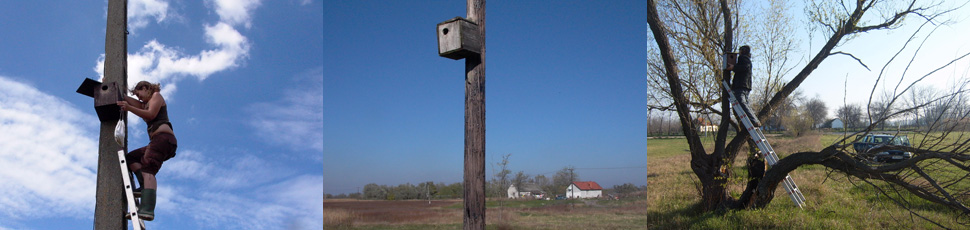
Roller / Fieldwork / Ringing ::: Photo: András Domján, Béla Tokody, Orsolya Kiss -
Falco vespertinus
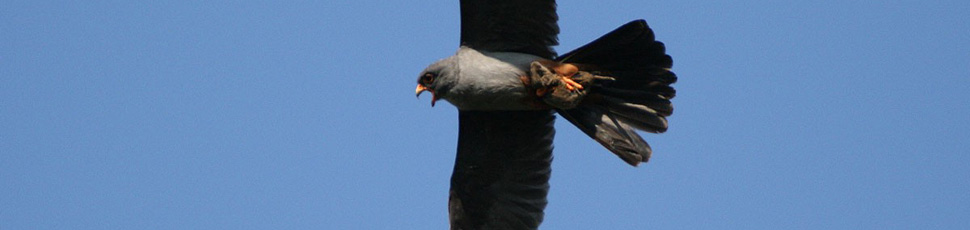
Adult male Red-footed falcon with a field vole ::: Photo: Péter Palatitz -
Coracias garrulus
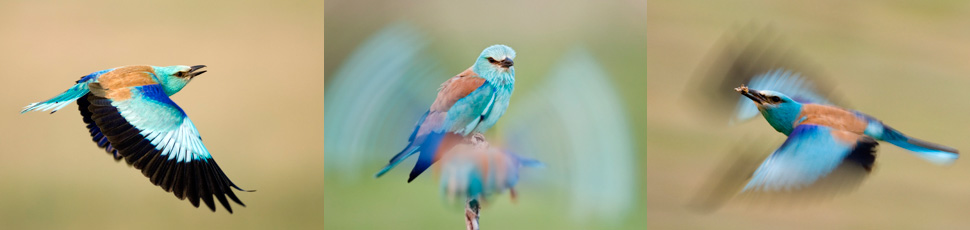
Flying Roller ::: Photo: Bence Máté -
Falco vespertinus
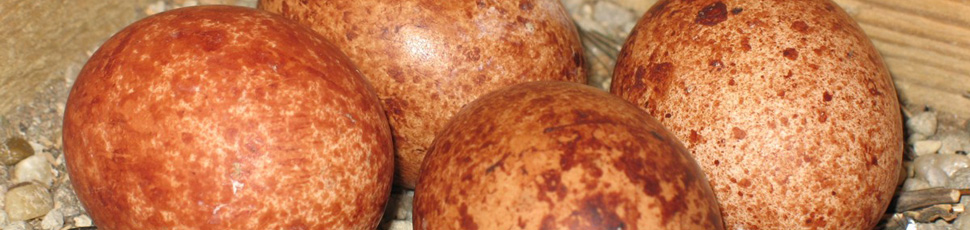
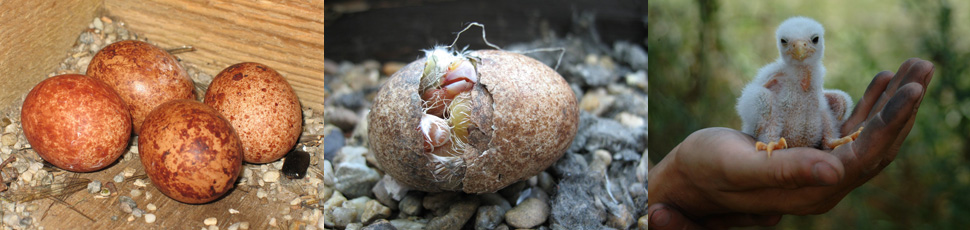
Red-footed falcon eggs in a nest-box ::: Photo: Péter Palatitz -
Coracias garrulus
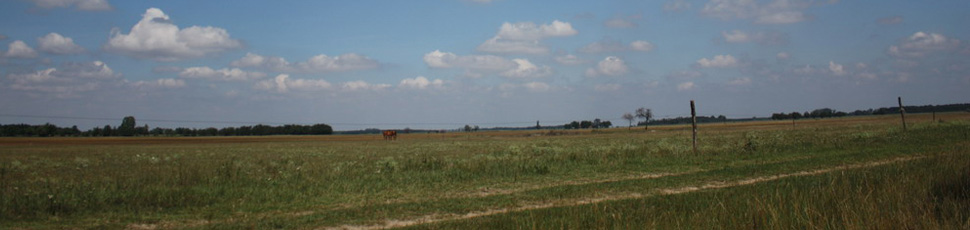
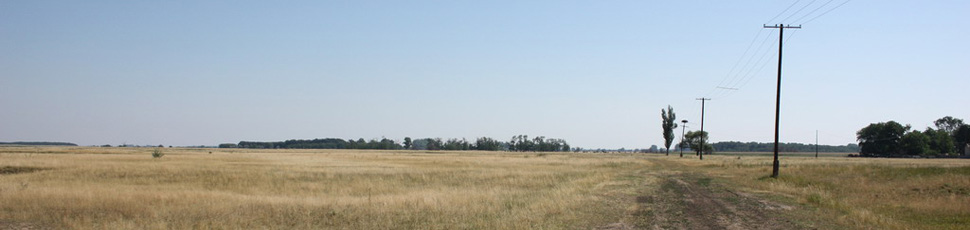
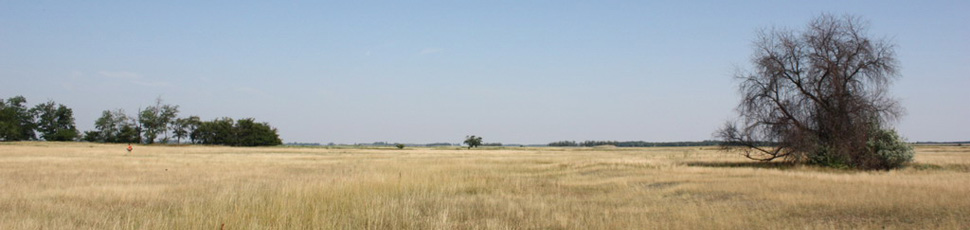
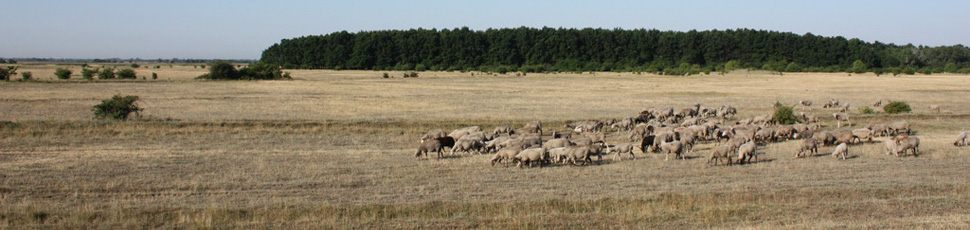
Roller / Nesting habitat / Baksi-puszta ::: Photo: Béla Tokody -
Falco vespertinus
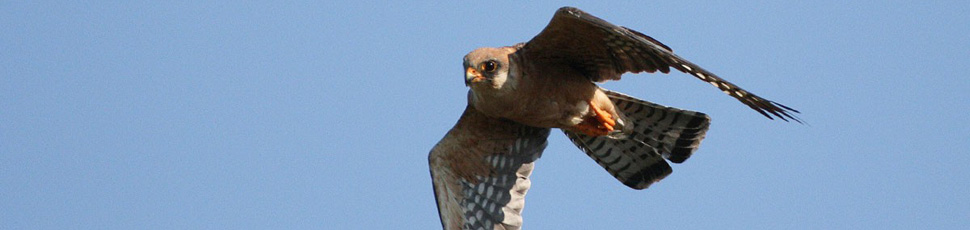
Adult female Red-footed falcon ::: Photo: Péter Palatitz -
Coracias garrulus
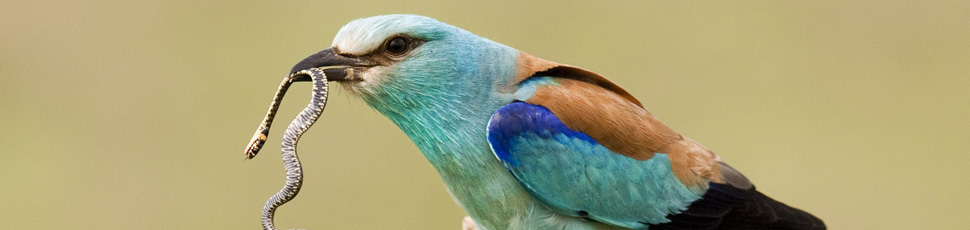
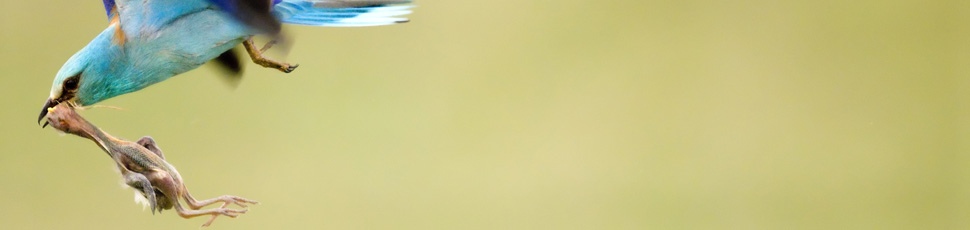
Roller with a grass snake ::: Photo: Bence Máté -
Coracias garrulus
Roller ::: Photo: Bence Máté -
Falco vespertinus
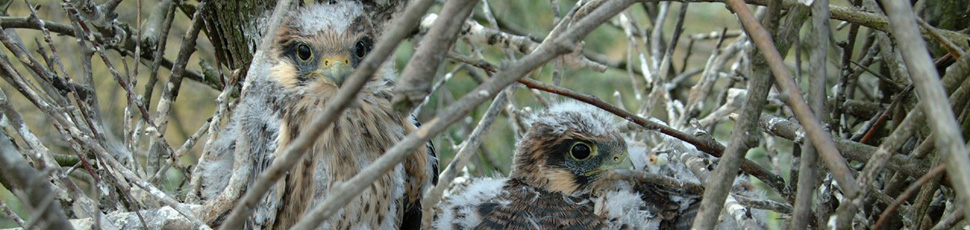
Red-footed falcon brood in a magpie nest ::: Photo: Szabolcs Solt -
Coracias garrulus
Flying Roller ::: Photo: Bence Máté -
Coracias garrulus
Roller / Nesting habitat / Szeri-puszták ::: Photo: Béla Tokody -
Coracias garrulus
Flying Roller ::: Photo: Bence Máté -
Coracias garrulus
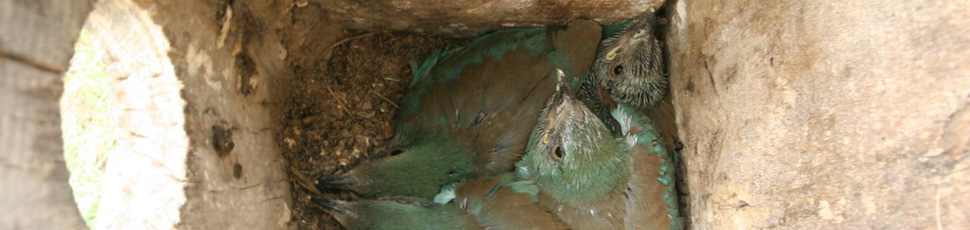
Young Rollers in the nest box ::: Photo: Gyula Molnár -
Coracias garrulus
Flying Roller ::: Photo: Bence Máté -
Coracias garrulus
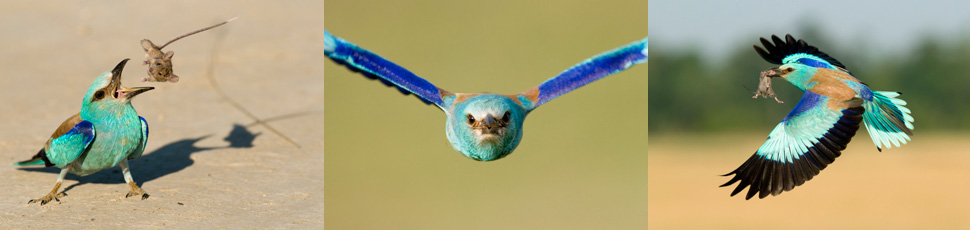
Rollers ::: Photo: Bence Máté -
Coracias garrulus
Roller / Nesting habitat / Szeri-puszták ::: Photo: Béla Tokody -
Coracias garrulus
Mating Rollers ::: Photo: Bence Máté -
Coracias garrulus
Rollers ::: Photo: Bence Máté -
Falco vespertinus
Red-footed falcon eggs and nestlings ::: Photo: Péter Palatitz -
Coracias garrulus
Flying Rollers ::: Photo: Bence Máté -
Falco vespertinus
Red-footed falcon / Fieldwork ::: Photo: Péter Palatitz, Szabolcs Pálfi -
Coracias garrulus
Roller / Nesting habitat / Szeri-puszták ::: Photo: Béla Tokody -
Coracias garrulus
Roller / Fieldwork / Nest box monitoring ::: Photo: Orsolya Kiss, Béla Tokody, András Domján
Migration
Finishing the breeding season the red-footed falcons gather in small groups and roam around the breeding territories or occasionally they may appear in Northern and Western Europe in large numbers. Between August and October the birds use pre-migration roost sites which may yield thousands of birds at the same time. Although we hardly understand how and where these night-roosts are formed but certain windbreaks, solitary trees or small wood patches are used year after year.
They leave the breeding area in September-October and migrate on a broad front (from the middle east to the whole eastern Mediterranean basin) and arrive to the savannahs of southern Africa in November (see the figure). The birds leave the wintering grounds around February and arrive back to the breeding area in mid-April, early May.
GOOD NEIGHBOURS CREATING COMMON FUTURE
The information presented on this website does not necessarily represent the official position of the European Commission.